 Digital
 Digital
 Digital
 Digital
 Digital
 Digital
 Digital
 Digital
 Digital
 Digital
 Digital
 Digital
 Digital
 Digital
 Digital
 Digital
 Digital
 Digital
 Digital
 Digital
 Digital
 Digital
 Digital
 Digital
 Digital
 Digital
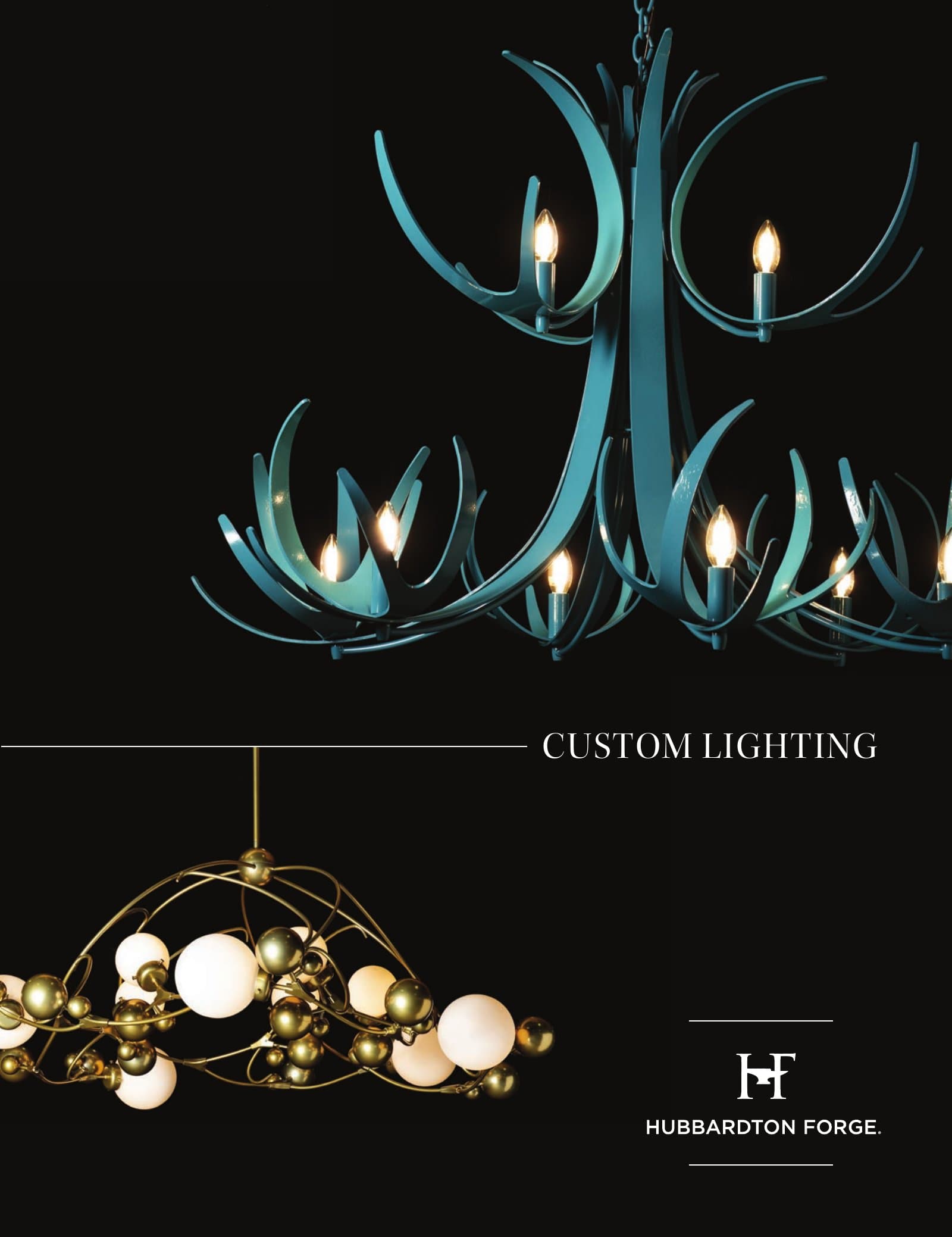
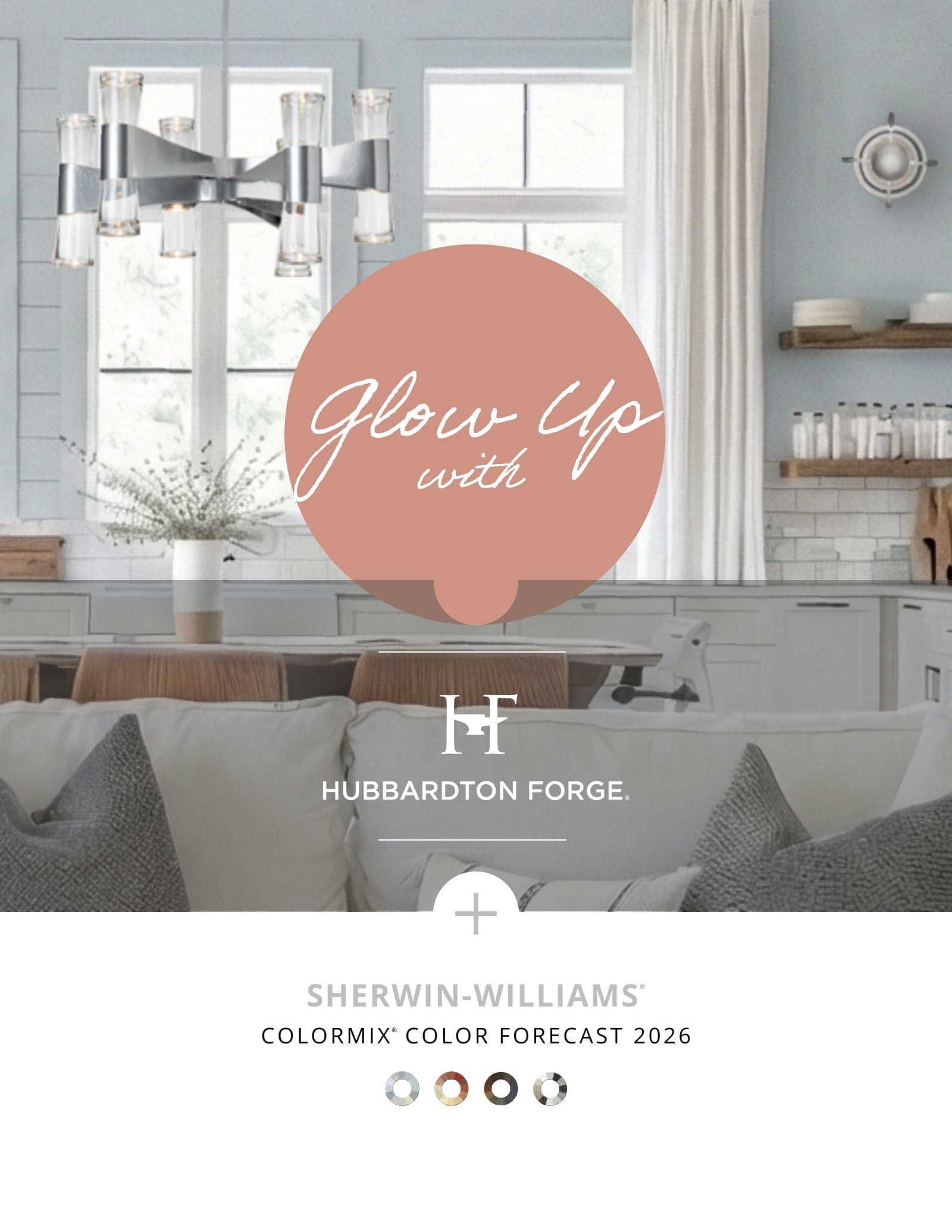
Browse free luxury lighting catalogs from Visual Comfort, Hubbardton Forge, Currey & Company, Hinkley, Hudson Valley, Schoolhouse, Restoration Hardware Lighting and other designer-trade brands. Lighting is the layer that finishes a room, and brand catalogs are the sales tool the designer-trade actually uses — large-format photography of every finish option, complete cutout and chain-length specs, glass and metal material callouts, and the family relationships across collections that you can't see browsing one-off SKUs online.
Luxury Lighting Categories at a Glance
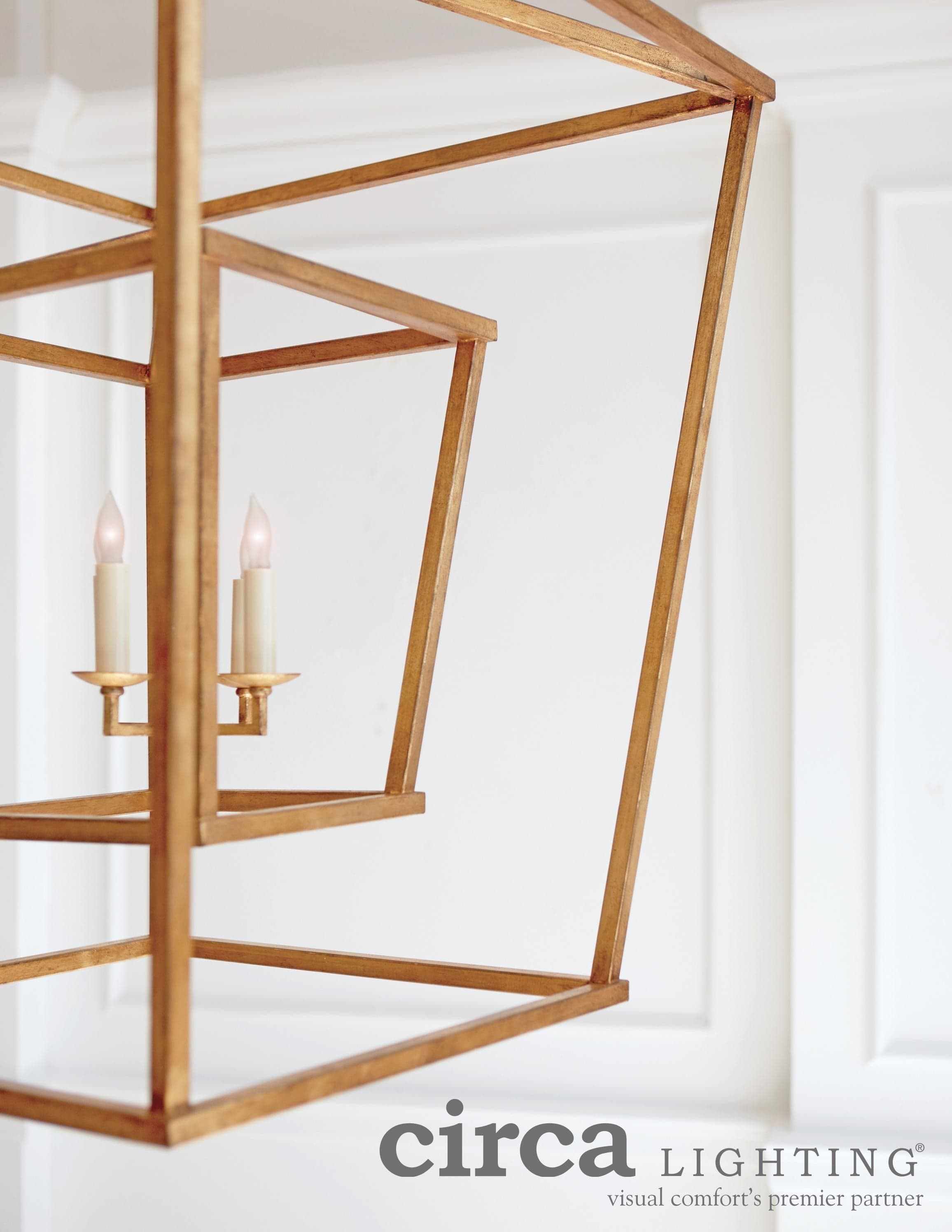
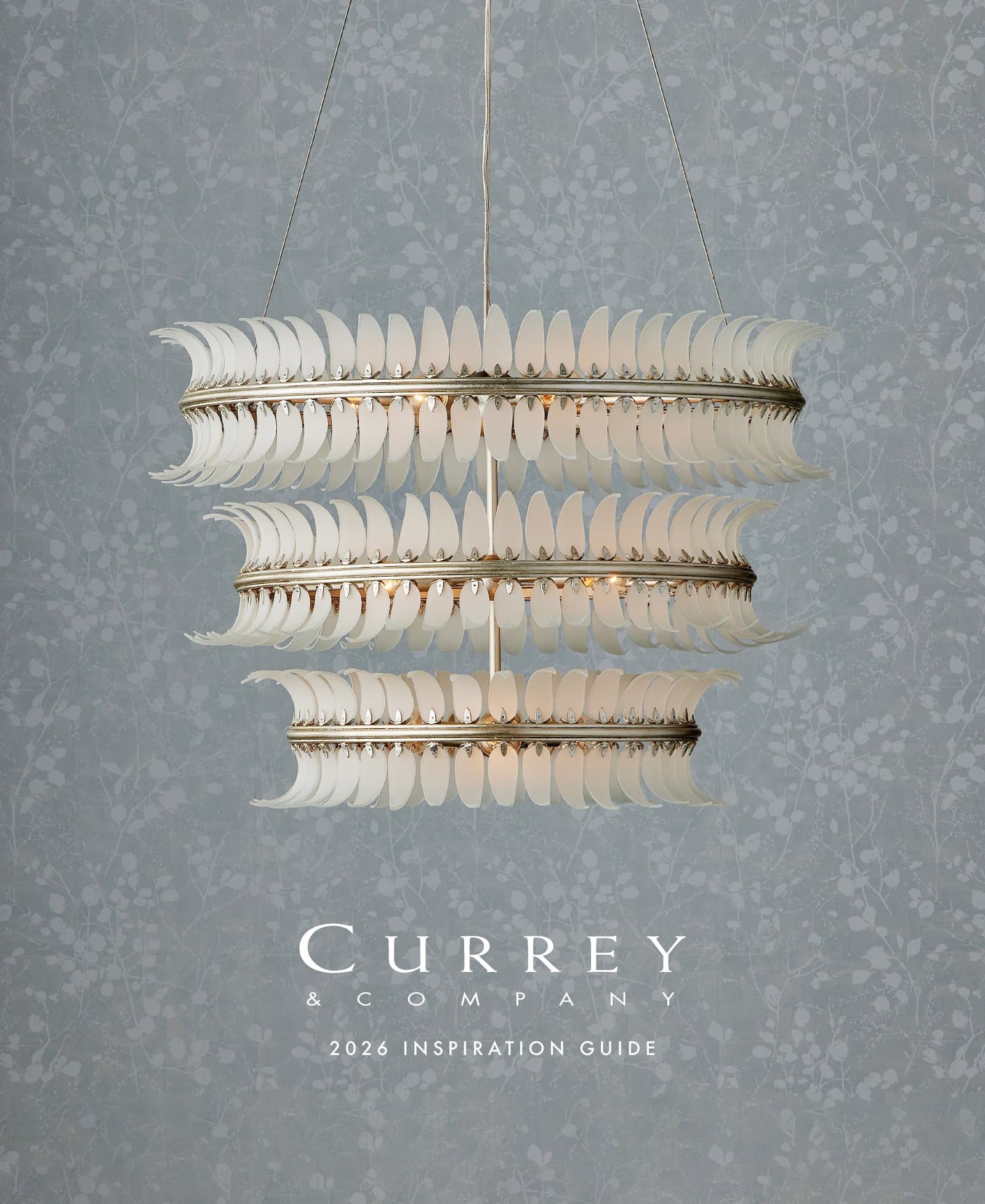
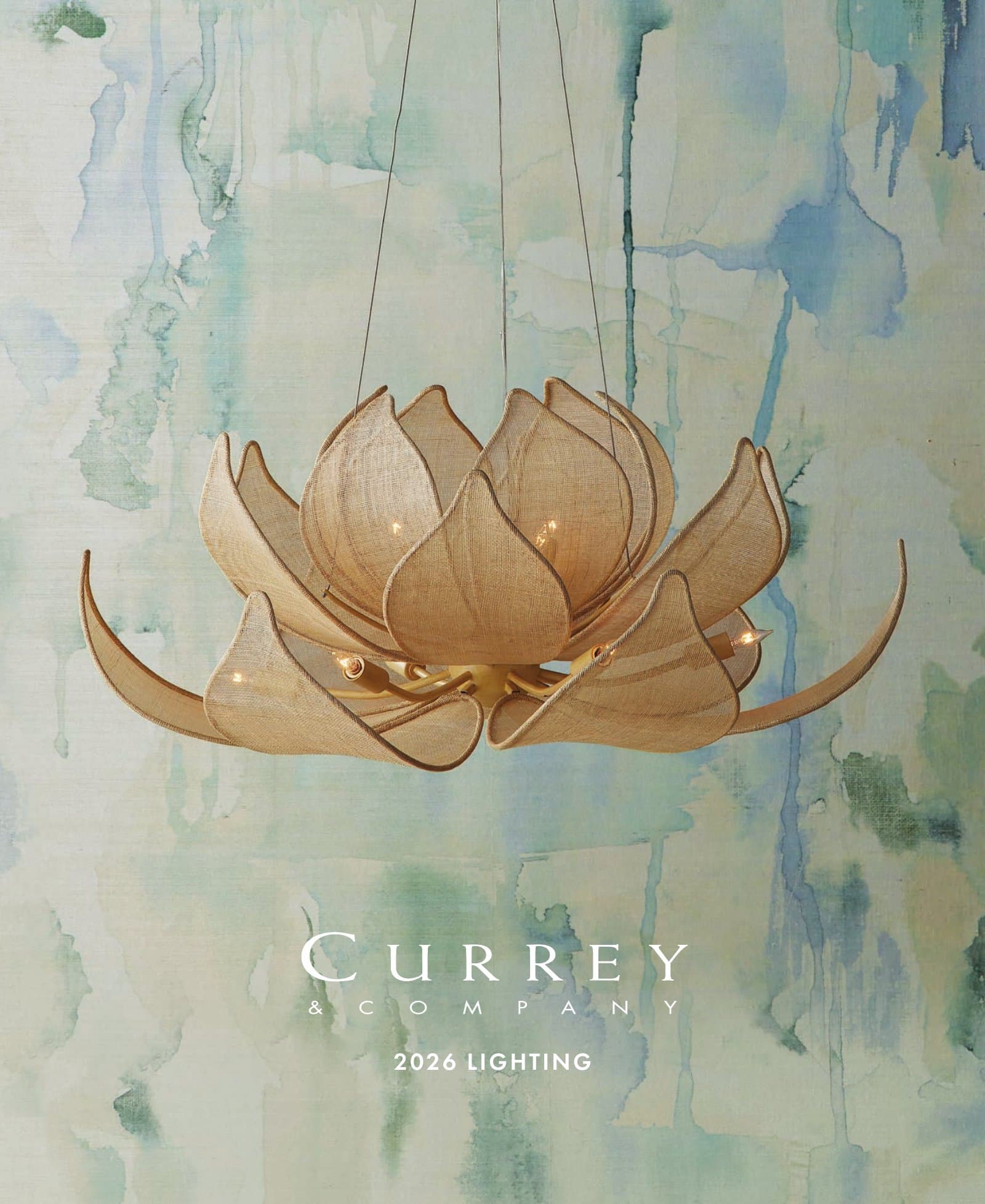
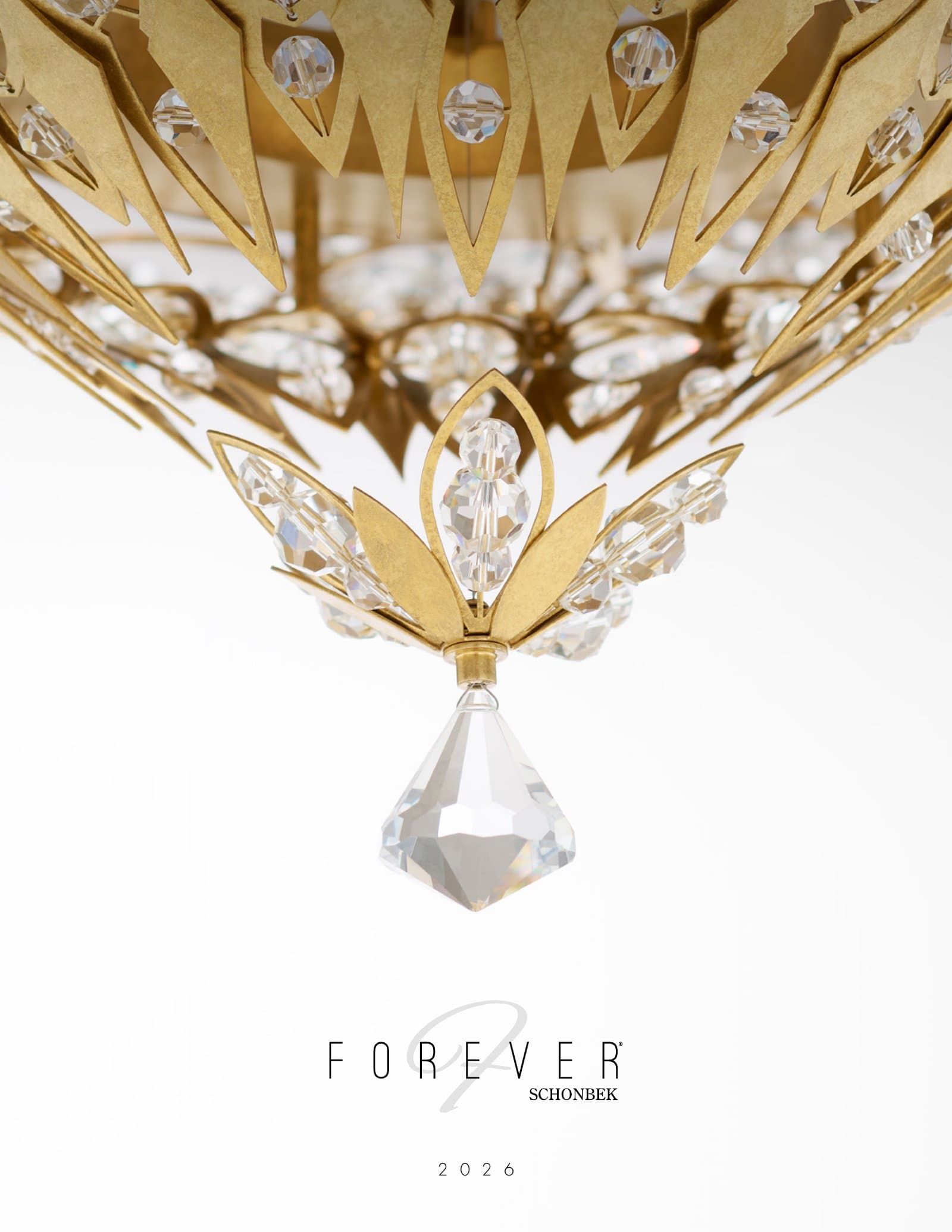
Designer-trade lighting houses — Visual Comfort & Co. (and its expansive sub-brand library — Visual Comfort Studio, AERIN, kate spade new york, Studio M, Chapman & Myers, Thomas O'Brien, Suzanne Kasler, and others), Hubbardton Forge, Currey & Company, Hinkley, Hudson Valley Lighting, and Circa Lighting are the brands that show up on most designer specs. These are showroom brands sold through authorized dealers, with deep finish libraries (10-20 finishes per fixture is normal) and lookbooks that read more like coffee-table interior-design books than spec sheets.
Boutique studios and small-batch makers — Schoolhouse, Cedar & Moss, Allied Maker, Workstead, and Apparatus Studio represent the modern handcrafted edge — small-batch fixtures with strong design point of view, often featured in design publications like Sight Unseen and Dezeen. Lead times can run 8-12 weeks because most are built to order.
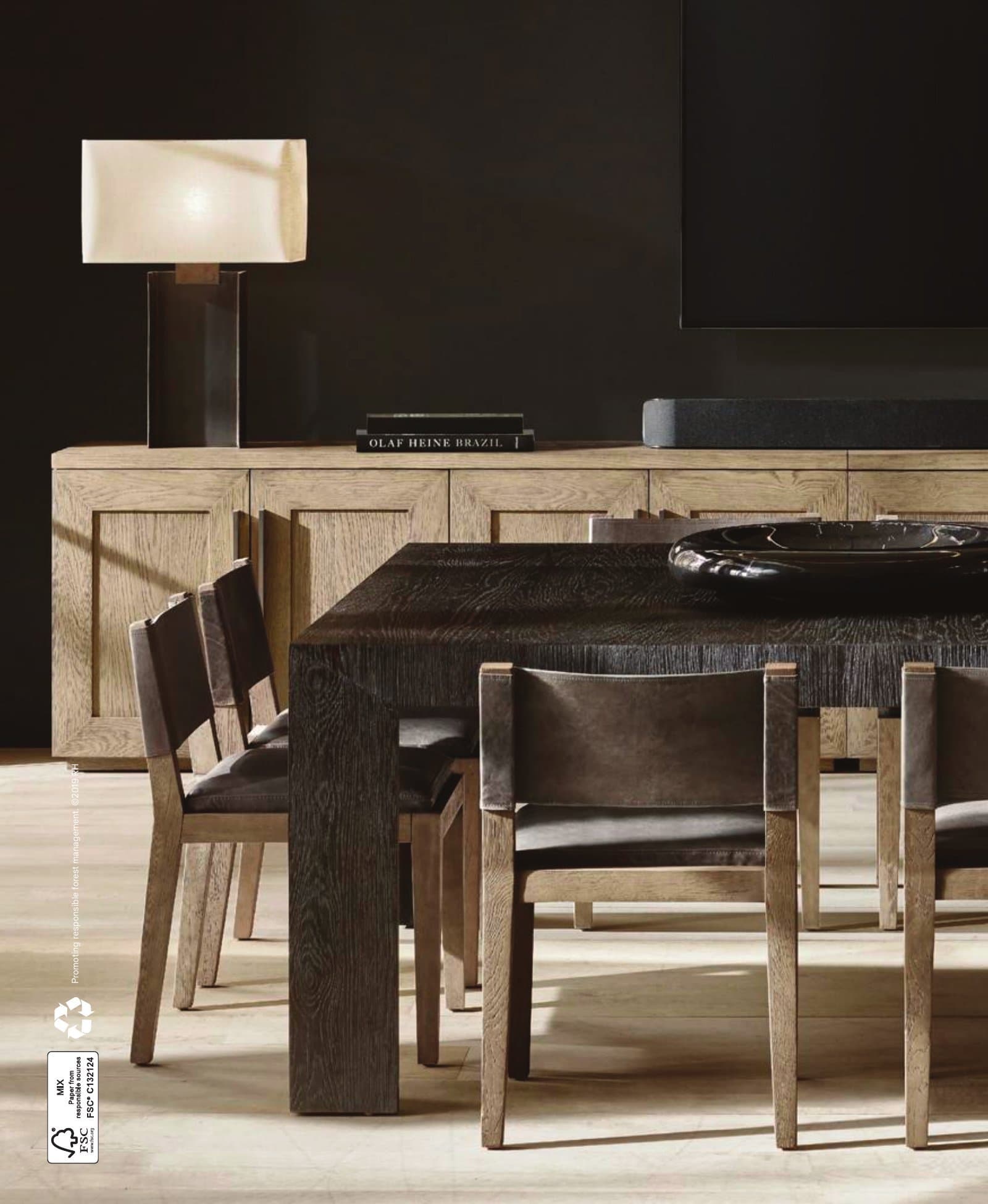
Retailer-branded premium lines — Restoration Hardware Lighting, Pottery Barn, West Elm, and Crate & Barrel curate their own lighting lines at premium mass-market price points. These catalogs are heavily lifestyle-driven and useful for whole-room buying (lighting alongside furniture and textiles).
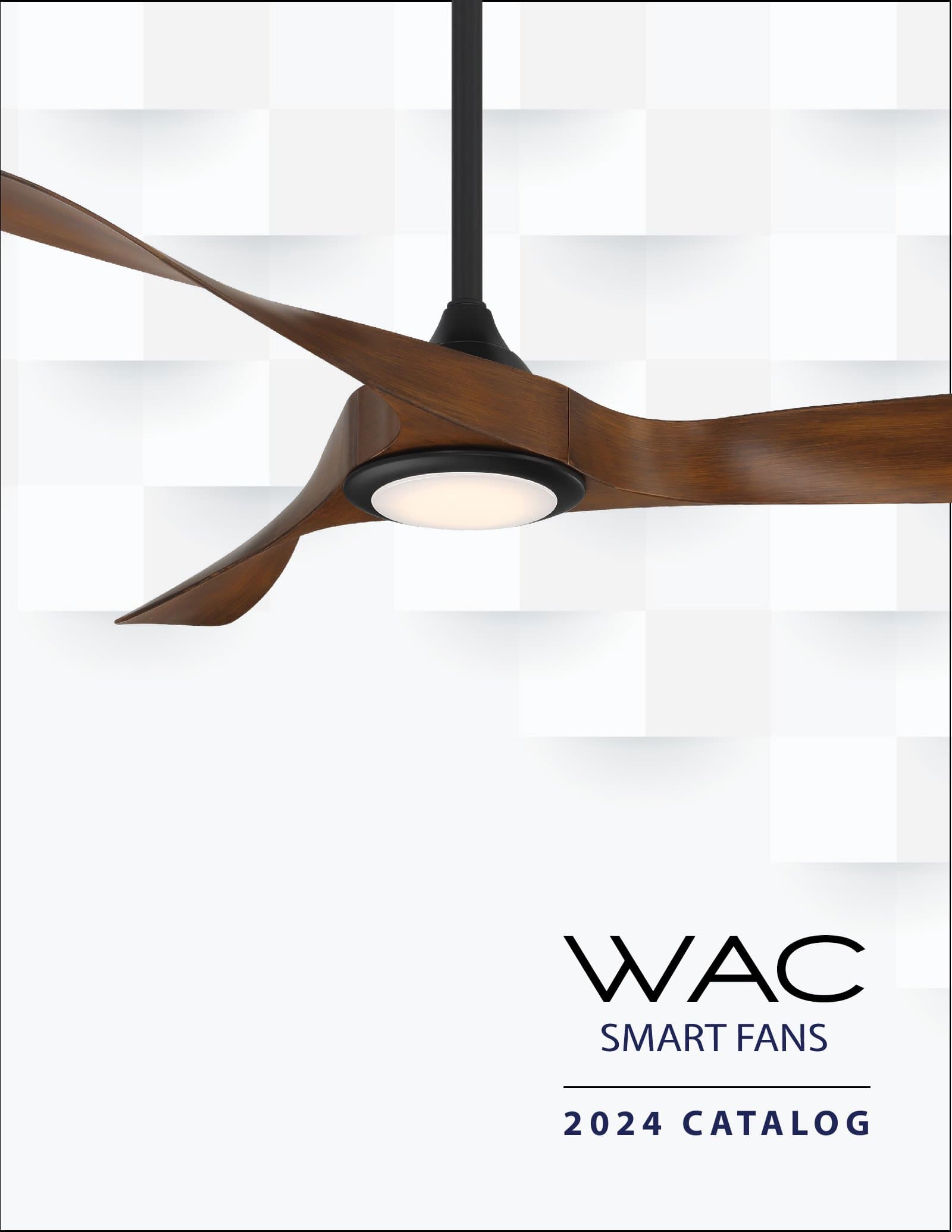
Specialty and architectural lighting — Tech Lighting, LBL Lighting, WAC Lighting, Tom Dixon, and Flos cover architectural recessed and track lighting, low-voltage systems, and design-icon pendants. These brands are often spec'd by architects rather than interior designers.
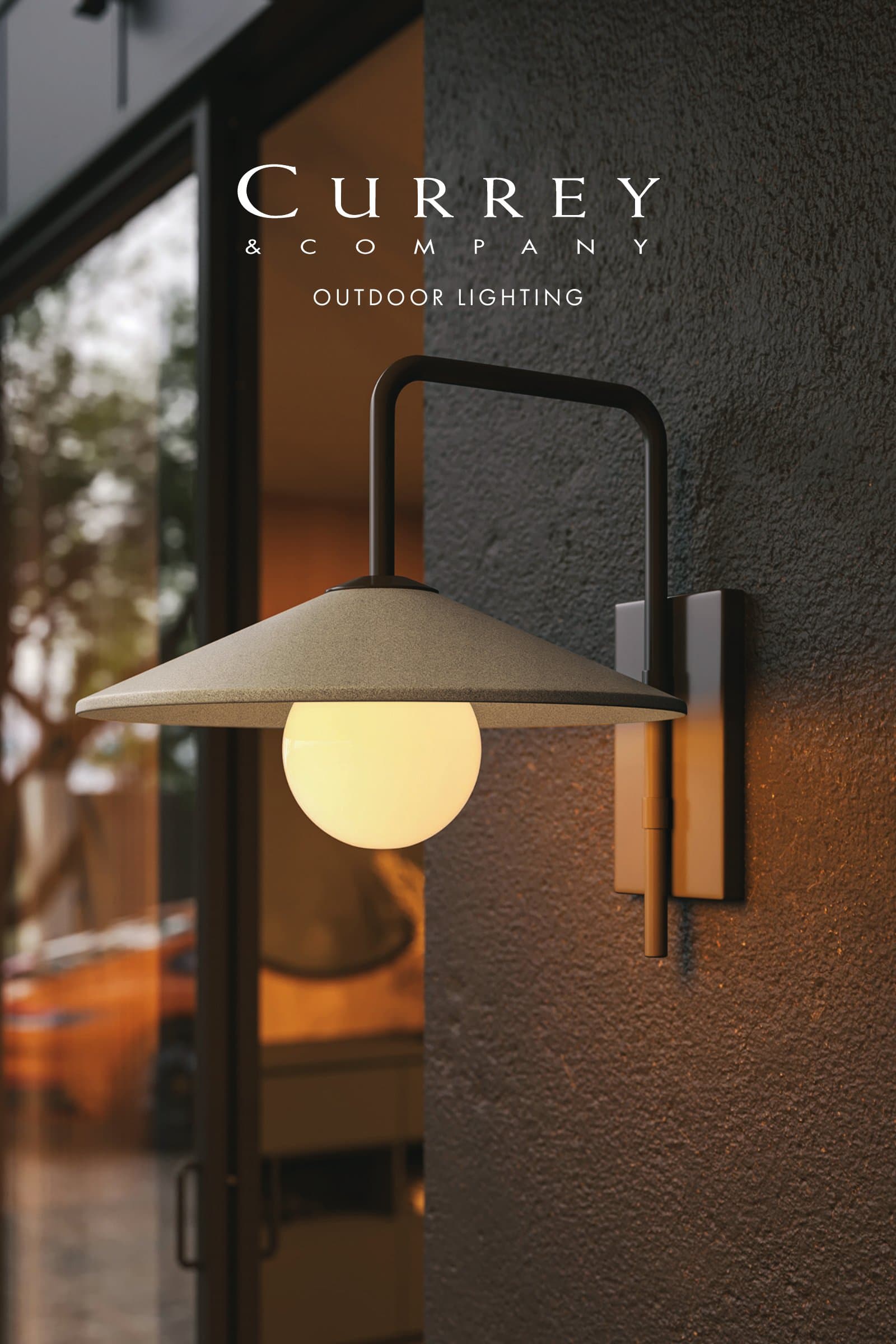
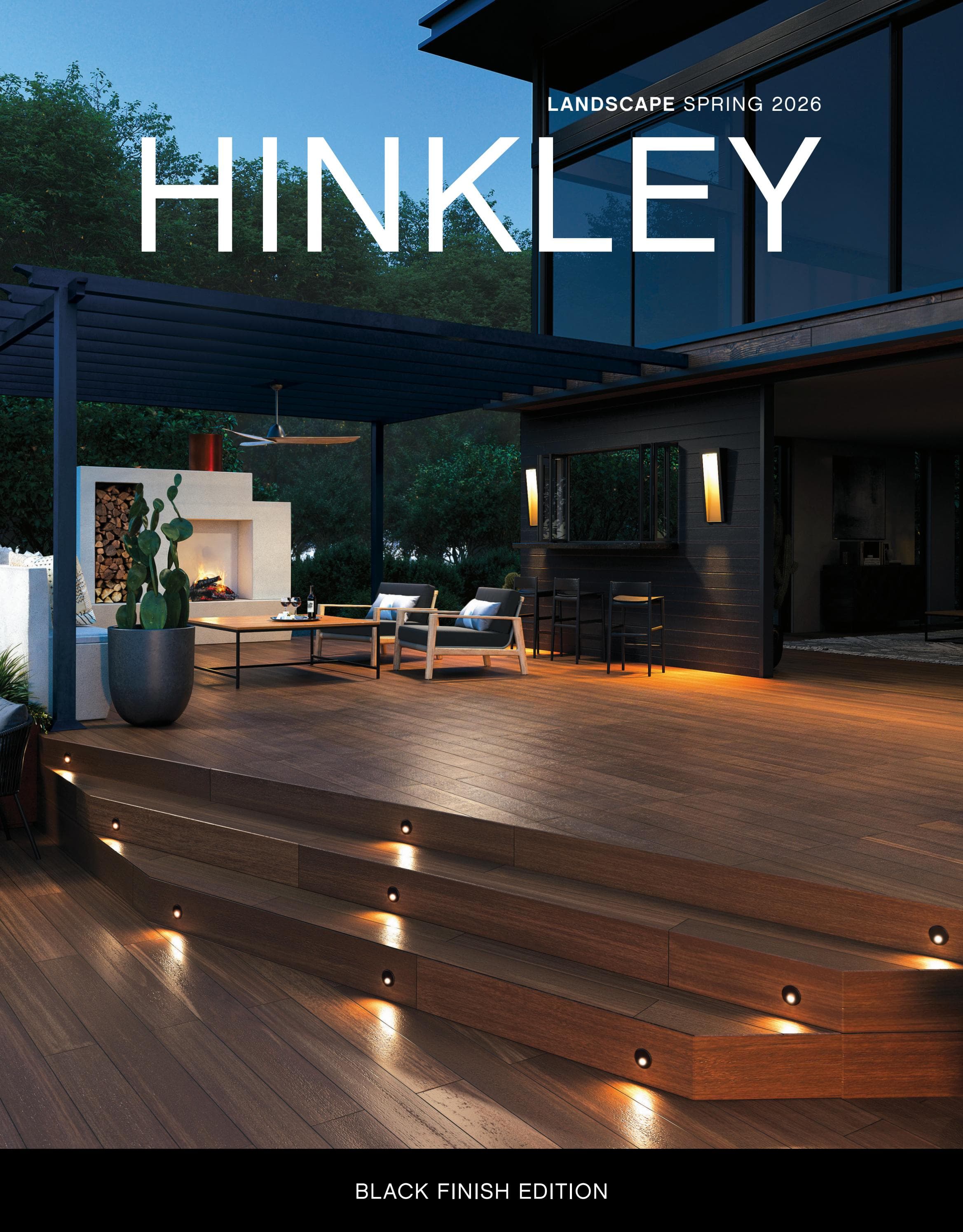
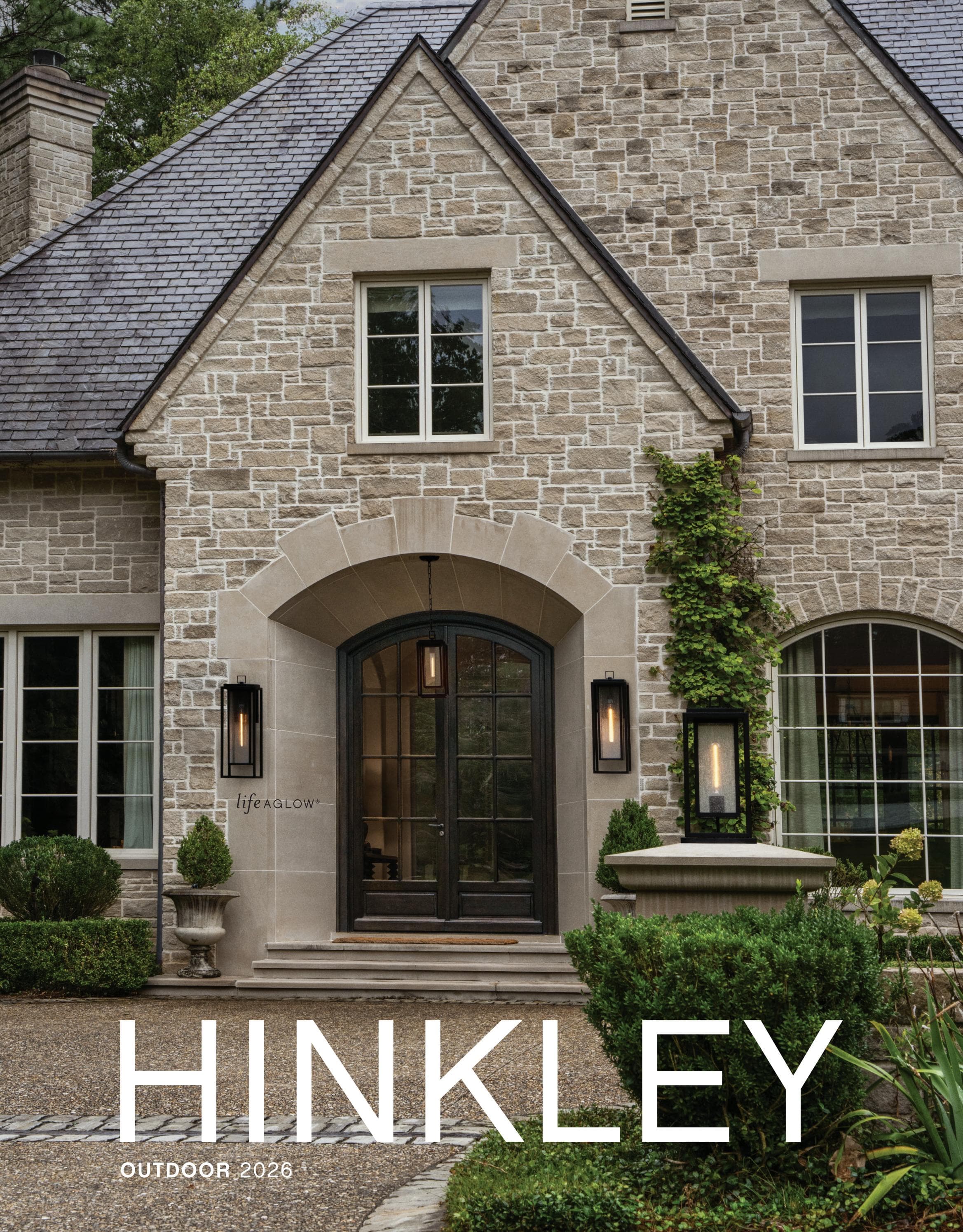
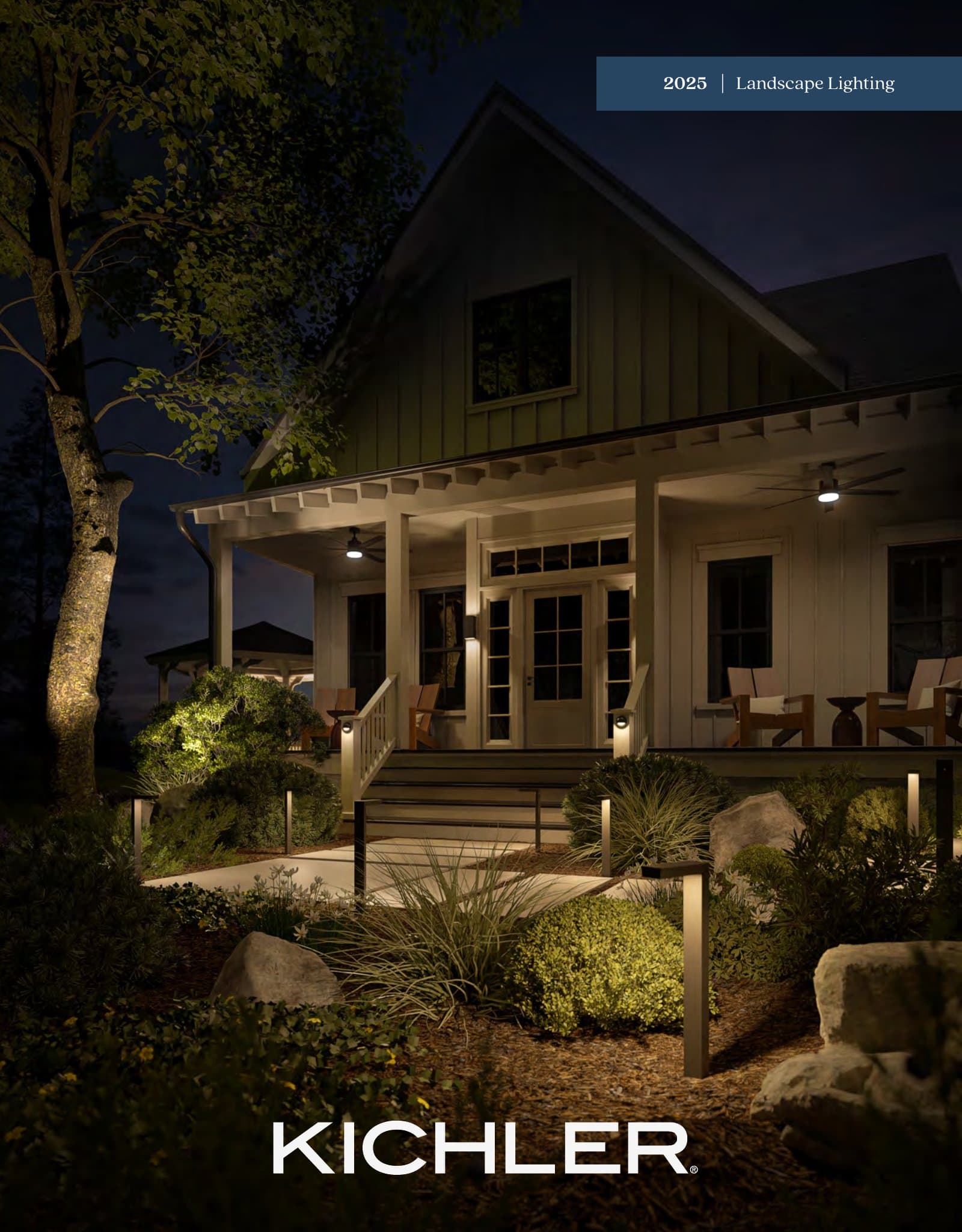
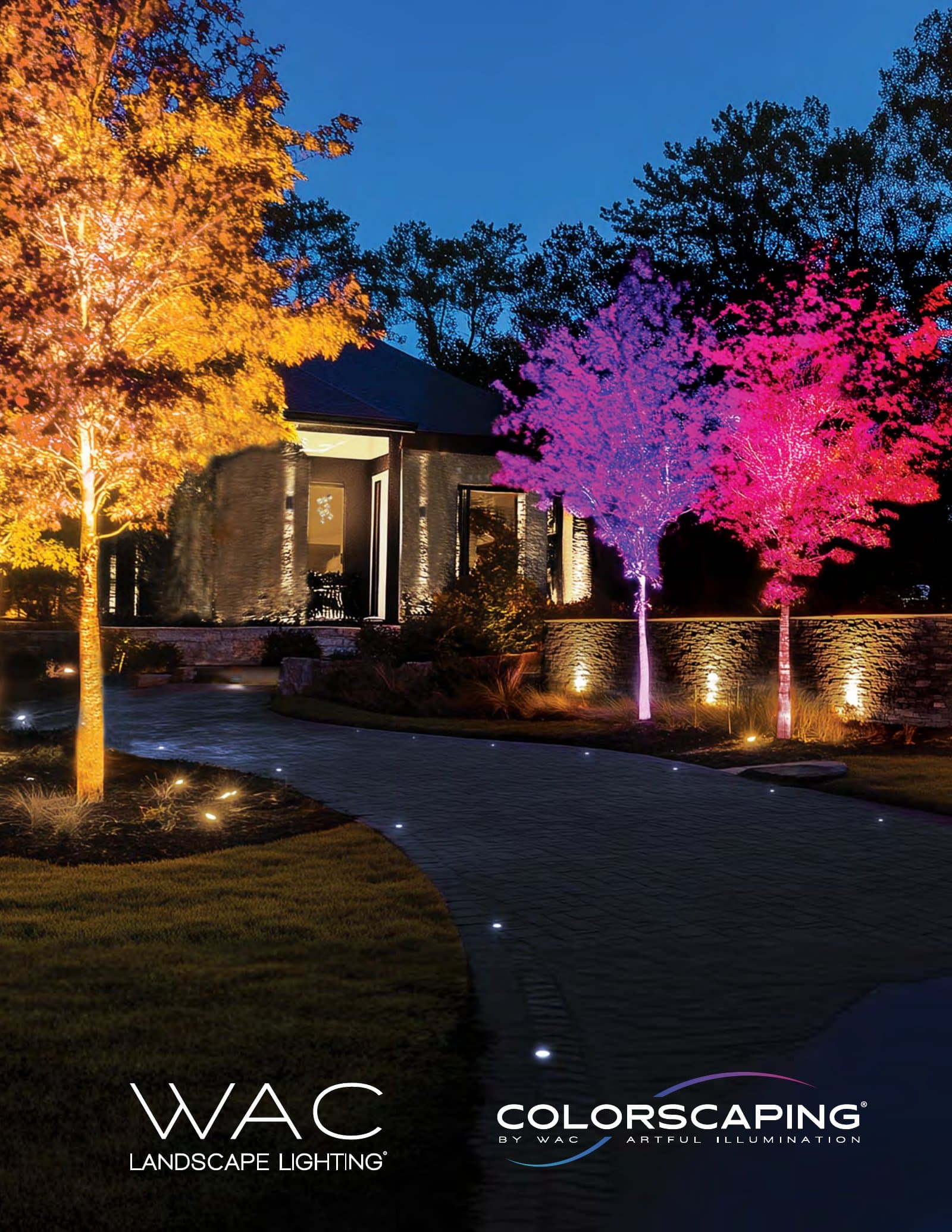
Outdoor and landscape lighting — Hinkley Landscape, FX Luminaire, and Kichler Outdoor publish dedicated outdoor catalogs covering path lights, wall sconces, pendants, and the low-voltage landscape systems that designers spec for high-end exteriors.
What to Look For in a Lighting Catalog
The most useful lighting brochures show finish libraries (the same fixture in every available metal finish, glass option, and shade material), scale shots (the fixture photographed in a room so you can read its actual visual weight), chain and cord lengths with extension options, lamping specs (medium base vs candelabra vs G9, LED-integrated wattage, dimmable driver requirements), and ETL / UL Damp / UL Wet ratings for bath, outdoor, and shower applications. Premium catalogs also include the brand's collection groupings — the chandelier you're considering usually has a matching pendant, semi-flush, sconce, and table-lamp set in the same family.
Specifying a Lighting Plan
A lighting plan typically layers three sources per room: ambient (the chandelier, semi-flush, or recessed downlights that establish baseline room brightness), task (under-cabinet, pendant over an island, swing-arm at a bed), and accent (sconces, picture lights, candle sleeves, table lamps). Request catalogs from at least one brand in each category — Visual Comfort or Hubbardton Forge for ambient and decorative, Tech Lighting or WAC for architectural task, and Currey & Company or Hudson Valley for accent and table lamps. Most premium fixtures specify minimum ceiling heights and recommend hanging clearances; the catalog is where those specs live.
Free Luxury Lighting Catalogs by Mail
Most designer-trade lighting brands mail printed lookbooks free to designers, architects, and serious residential buyers. Visual Comfort, Hubbardton Forge, Currey & Company, Hinkley, Hudson Valley, and Schoolhouse all publish 100+ page lookbooks every season; Restoration Hardware Lighting ships their oversized Sourcebooks twice a year. Print is still the format designers prefer for client presentations and finish comparisons — request the brochure and flip through the digital edition while it's in transit.